
Is Olive Oil Good For Hair?
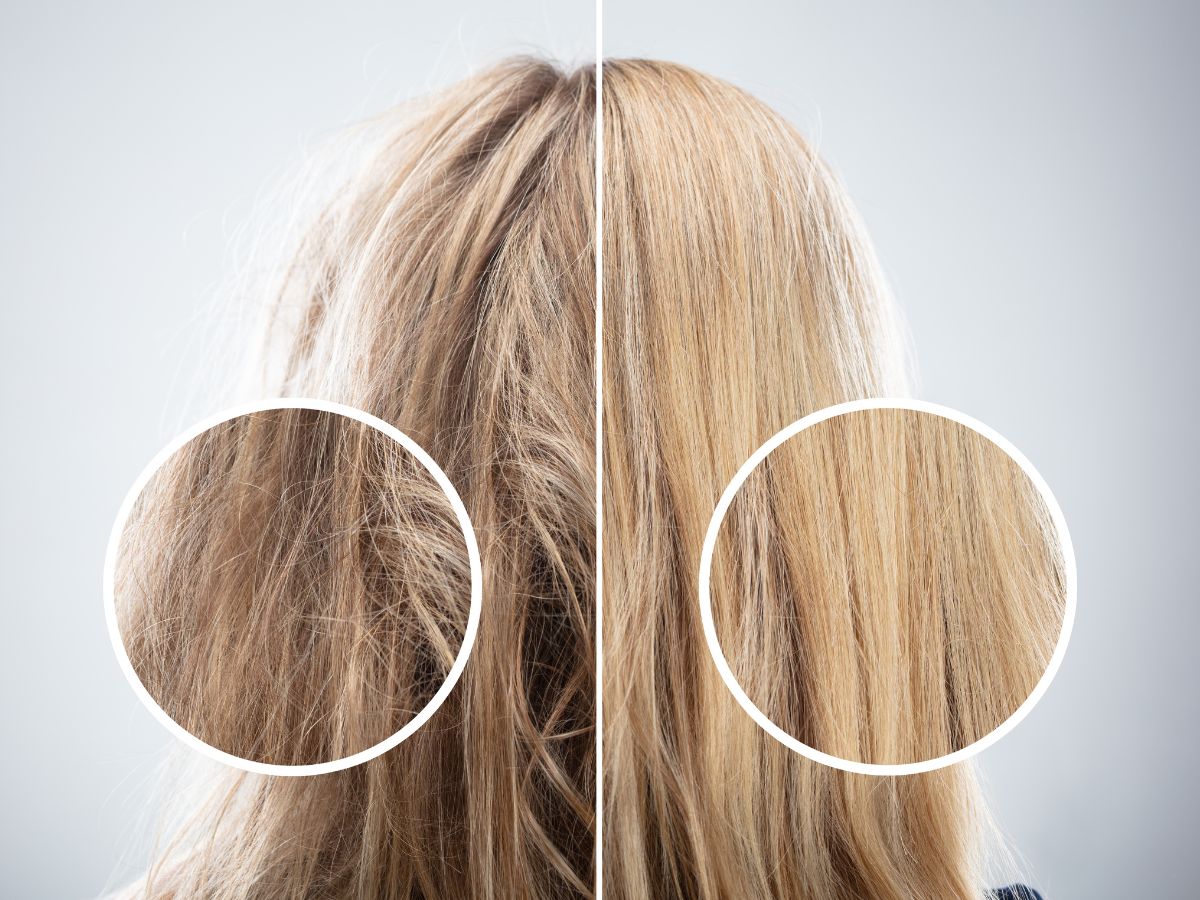
Olive oil can be good for hair when used occasionally, in small amounts, and with the right purpose. It is not a miracle treatment nor does it replace a hair product formulated for a specific need, but it can help improve the appearance of dry, frizzy, or dull hair.
Its main benefit lies in its ability to form a greasy film over the hair fiber. This helps to soften the feel, reduce friction, improve shine, and protect the ends from dryness. That’s why many people use it as a mask before washing or as a homemade serum on very dry areas.
However, it is important to distinguish between culinary and cosmetic use. Extra virgin olive oil is a high-quality food, rich in oleic acid and antioxidant compounds, but that doesn’t mean every hair type tolerates it well. On fine hair it can weigh it down. On oily scalps it can feel heavy. And on sensitive skin it may cause irritation if applied frequently or left on for too long.
The key is to use it wisely: in small amounts, for short periods, and always observing how your hair responds.
Properties of olive oil for hair
Olive oil stands out for its content of fatty acids, especially oleic acid. This composition makes it a dense, nourishing oil with good ability to provide softness to the hair fiber. On hair, its most evident effect is not “hydration” in the strict sense, since hydration comes from water, but rather helping to better retain moisture and reduce the loss of softness.
It also contains vitamin E and other minor compounds present in extra virgin olive oil. These components are part of its nutritional and antioxidant value, although on hair their effect should be understood more as external cosmetic support than as deep repair.
In practice, olive oil acts as an emollient. That is, it helps to soften, lubricate, and improve the feeling of flexibility. That’s why it can be useful for dry, curly, thick, dyed, or heat-damaged hair.
What is olive oil used for in hair
Olive oil in hair is mainly used to improve the appearance of the hair fiber when it is dry, rough, or prone to frizz. It can help hair look shinier, more manageable, and less straw-like.
Its most common uses are:
-
As a pre-wash treatment on mid-lengths and ends.
-
As an aid for detangling dry or thick hair.
-
As an occasional serum on split or dry ends.
-
As a homemade mask to provide softness.
-
As a help to control frizz in curly or wavy hair.
It should not be considered a solution for hair loss, alopecia, persistent dandruff, or scalp problems. In those cases, it is best to consult a dermatologist or use specific products.
What are the benefits of olive oil for hair?
Olive oil can provide several visible benefits when hair needs external nourishment. These benefits depend on the hair type, the amount applied, and the frequency of use.
Repairs damaged hair
Olive oil does not “repair” hair in a permanent structural sense. If the fiber is broken, burnt, or badly damaged by bleaching, it cannot be fully rebuilt with oil. However, it can temporarily improve its appearance.
By coating the hair fiber, it reduces the feeling of roughness, improves combing, and helps the ends look less split. This is useful for dyed, dry, or frequently blow-dried, straightened, or sun-exposed hair.
For this use, it is best to apply it only from mid-length to ends and let it sit before washing. This way, you achieve softness without saturating the roots.
Controls frizz
Frizz appears when the hair cuticle is disrupted and the fiber absorbs moisture from the environment unevenly. This happens more in dry, curly, porous, or damaged hair.
Olive oil can help control frizz because it creates a protective layer over the hair. This film improves the visual alignment of the fiber and adds weight, which reduces the fluffy appearance.
However, you must use very little. One or two drops may be enough for ends or stubborn areas. If you apply too much, the hair can become greasy, heavy, and lifeless.
Nourishes and adds shine
One of the most visible effects of olive oil on hair is shine. By smoothing the surface of the hair fiber, light reflects better and the hair looks healthier.
This effect is especially desirable in dull, dry, or thick hair. For curly hair, it can also help define the shape better when used in minimal amounts on the ends.
To achieve a natural finish, it is not advisable to apply oil all over the hair after washing. It is preferable to use it as a mask before washing or as a very light finishing touch.
Cares for the scalp
Olive oil can relieve the sensation of dryness in some people, but it is not always the best option for the scalp. Since it is a dense oil, it can leave residue, increase the greasy feeling, or worsen discomfort if there is dermatitis, oily dandruff, or sensitivity.
If used on the scalp, it should be done with caution. It is recommended to apply a small amount, massage gently, and wash thoroughly afterwards. It is not advisable to leave it on overnight or repeat too often.
When there is itching, flaking, irritation, wounds, or persistent hair loss, it is better to avoid home remedies and seek professional evaluation.
How to use olive oil for hair?
The way you use it makes a difference. Olive oil can leave hair soft and shiny, but it can also weigh it down if applied incorrectly. Less is usually more effective.
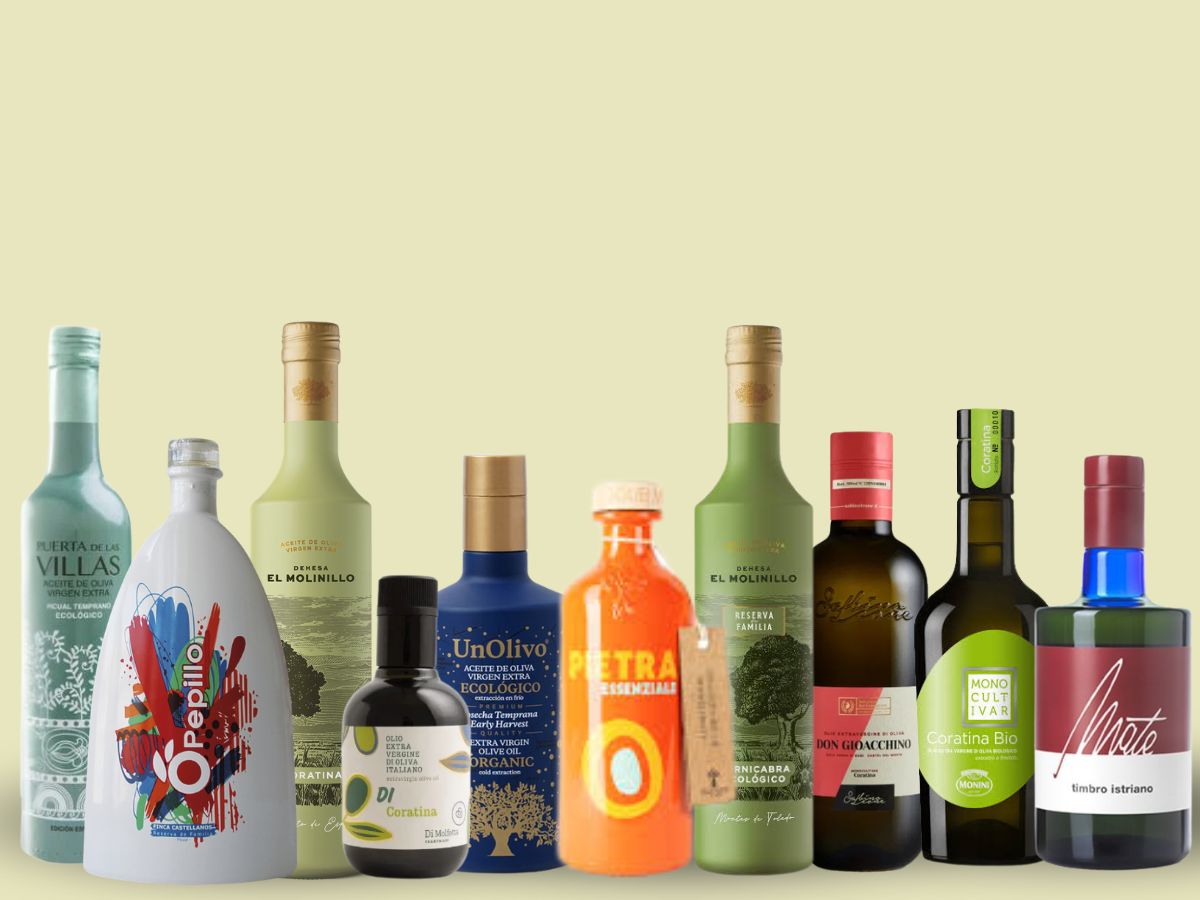
The ideal is to choose an extra virgin olive oil without blends, without added aromas, and of good quality. You don't need to use a premium or limited edition EVOO for your hair; those oils are best enjoyed raw, on toast, salads, vegetables, or finished dishes. For occasional hair use, a clean, well-preserved oil without added flavors is enough.
As a pre-wash mask
The pre-wash mask is the most recommended way to use olive oil on hair. It allows you to take advantage of its nourishing effect without leaving a greasy feeling afterward.
Steps:
-
Brush dry hair to detangle it.
-
Apply a small amount of olive oil to the mid-lengths and ends.
-
Avoid the roots if you have an oily scalp.
-
Leave it on for 20 to 40 minutes.
-
Wash with a gentle shampoo.
-
Repeat the wash if you notice residue.
For very dry or thick hair, it can be used once a week. For fine hair, once every two or three weeks is usually enough.
It is not necessary to heat the oil. If you warm it slightly, you should do so very carefully to avoid burns and not alter the product.
As a serum for ends
You can also use olive oil as a homemade serum for dry ends, but in a minimal amount.
How to do it:
-
Put a drop in the palm of your hand.
-
Rub both hands together to distribute it.
-
Apply only to the ends.
-
Avoid the roots and the upper part of the hair.
-
Do not use it before flat iron or curling iron.
This use works best on thick, curly, or very dry hair. On fine hair, it can leave a greasy look even with a small amount.
Considerations about olive oil for hair
Olive oil can be a good ally to improve the appearance of dry hair, but it is not suitable for everything nor does it work the same on all hair types.
Before incorporating it into your routine, keep these recommendations in mind:
-
Do a patch test on a small area if you have sensitive skin.
-
Do not apply it on wounds, irritations, or active dermatitis.
-
Do not use it as a substitute for medical treatments.
-
Avoid applying it excessively.
-
Wash your hair thoroughly after using it as a mask.
-
Do not confuse it with a heat protectant.
-
Do not expect it to make your hair grow.
In summary, olive oil for hair can provide softness, shine, and frizz control when used occasionally and in the right amount. It is especially beneficial for dry, thick, curly, or damaged hair. However, it can feel heavy on fine or oily hair.
As with EVOO in cooking, quality matters, but so does how you use it. A good extra virgin olive oil deserves to be well preserved, away from light and heat. And although it can have a place in home hair care, its best expression is still at the table, where it displays all its aroma, flavor, and gastronomic value.

Leave a comment
This site is protected by hCaptcha and the hCaptcha Privacy Policy and Terms of Service apply.