
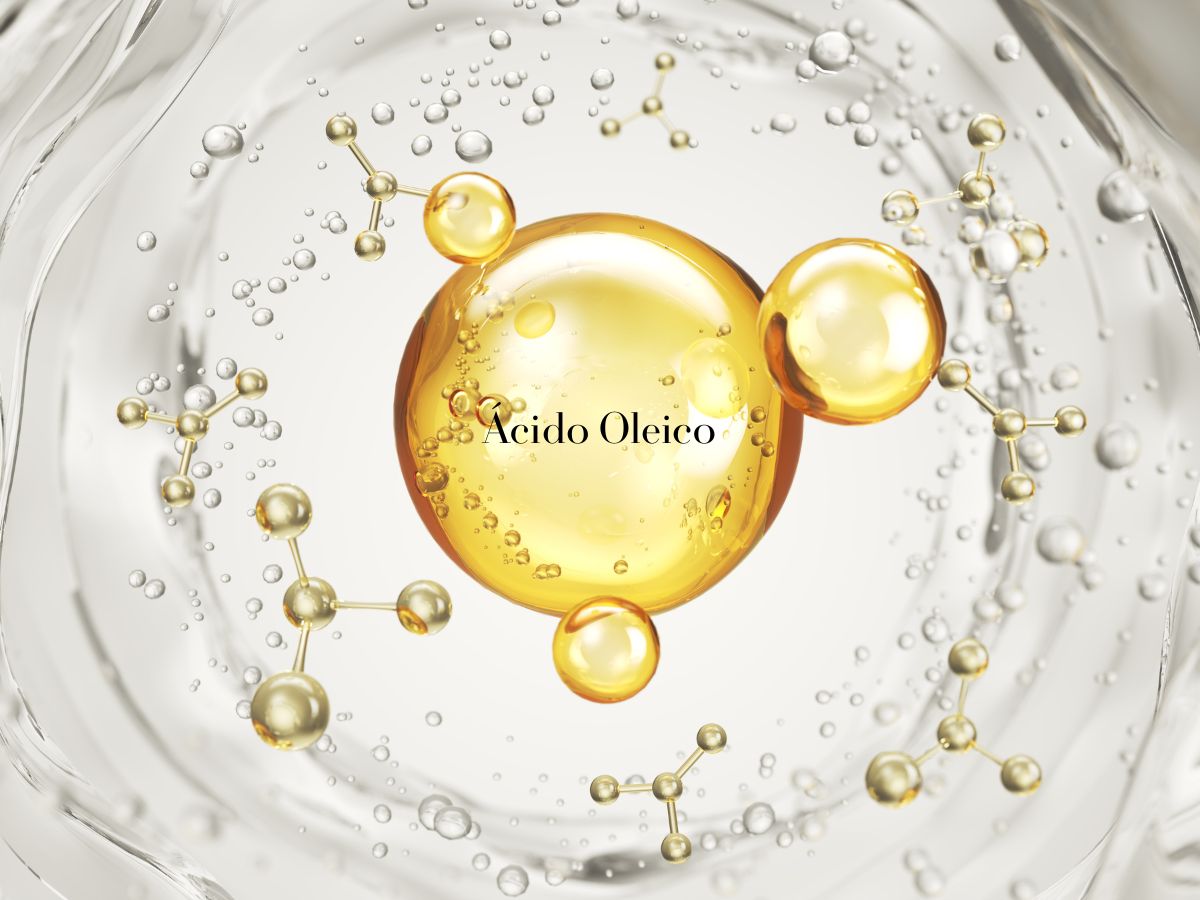
Oleic Acid: What It Is And What Benefits It Has
Oleic acid is one of the most important components of olive oil. In fact, a large part of the nutritional value of extra virgin olive oil is explained by its high content of this monounsaturated fat, naturally present in the olive.
Although its name sounds technical, oleic acid is found in many everyday foods: olive oil, avocado, nuts, olives, and some vegetable oils. Its interest lies in the fact that it can help improve the quality of dietary fat when it replaces less recommended fats, such as butter, pastries, fatty sausages, or ultra-processed products.
It is worth clarifying from the outset: oleic acid is not a medicine nor does it act by itself as a solution for health. Its benefits depend on the food that provides it, the amount consumed, and the overall diet.
The best way to take advantage of it is to consume it within a Mediterranean diet, with extra virgin olive oil as the main fat.
What is oleic acid
Oleic acid is a monounsaturated fatty acid from the omega 9 family. It is called monounsaturated because it has a single double bond in its chemical structure. This characteristic distinguishes it from saturated fats, which have no double bonds, and from polyunsaturated fats, which have several.
In practice, this influences its behavior. Fats rich in oleic acid tend to be more stable than many oils rich in polyunsaturated fats. That’s why extra virgin olive oil works well both raw and in everyday cooking.
In olive oil, oleic acid is the predominant fatty acid. Its percentage can vary depending on the olive variety, the cultivation area, the climate, the harvest time, and the production conditions.
Properties of oleic acid
Oleic acid stands out for several nutritional properties:
-
It is a monounsaturated fat.
-
It belongs to the omega 9 family.
-
It provides energy.
-
It is part of cell membranes.
-
It is more stable against oxidation than many polyunsaturated fats.
-
It helps improve the fat profile of the diet when it replaces saturated fats.
It also has gastronomic interest. Oils rich in oleic acid generally withstand culinary use well, as long as they are cooked at reasonable temperatures and not excessively reused.
In the case of extra virgin olive oil, the value is not only in the oleic acid. Polyphenols, vitamin E, natural aromas, and antioxidant compounds typical of a well-made olive juice also matter.
Oleic acid is important, but EVOO is more than just oleic acid.
Main benefits of oleic acid
The benefits of oleic acid are better understood when we talk about substitution. It's not about adding more fat indiscriminately, but about swapping lower quality fats for more interesting ones.
Having extra virgin olive oil instead of butter, industrial sauces, or low-quality refined oils can improve the overall diet.
1. Take care of your heart
The best-known benefit of oleic acid is related to cardiovascular health. Monounsaturated fats can help maintain a better lipid profile when they replace saturated fats.
This means that context matters. There's little point in adding EVOO to a diet already excessive in calories, fried foods, processed meats, and sweets. The useful change is to use olive oil as the main fat and reduce sources of saturated fat.
Oleic acid can support cardiovascular care when it is part of a balanced diet and replaces less healthy fats.
Furthermore, extra virgin olive oil contains other compounds that add value. The polyphenols in olive oil help protect blood lipids from oxidative damage when the oil contains the necessary amount of these compounds.
2. Benefits your body
The body needs fat to function. Fat plays a role in the absorption of fat-soluble vitamins, in energy production, in cell structure, and in numerous physiological processes.
Oleic acid can help the diet have a healthier fat profile. This is useful in a diet based on fresh foods: vegetables, fruits, legumes, fish, eggs, nuts, whole grains, and extra virgin olive oil.
It can also contribute to greater satiety, because fats slow gastric emptying and make dishes more filling. For example, a salad with vegetables, legumes, and EVOO is usually more satisfying than a salad without fat or with a sugary dressing.
The goal is not to eat more oil, but to eat better fat.
3. Improves your skin
Oleic acid also appears in the world of cosmetics. Many formulas for dry skin include vegetable oils rich in oleic acid for their ability to provide emollience and improve the feeling of softness.
In nutrition, healthy fats help maintain a diet that is good for the skin. The skin needs fatty acids, antioxidants, proteins, vitamins, and minerals. That’s why extra virgin olive oil can fit well in a diet aimed at skin care.
Even so, it’s best not to overdo it. Applying oils rich in oleic acid directly to the skin is not always a good idea for everyone. For sensitive, oily, or acne-prone skin, some oils can feel heavy.
For the skin, oleic acid can be useful, but it depends on the formula, skin type, and correct use.
In which foods is oleic acid found?
Oleic acid is found in various foods rich in fat. The best known are:
-
Extra virgin olive oil.
-
Olives.
-
Avocado.
-
Almonds.
-
Hazelnuts.
-
Pistachios.
-
Macadamia nuts.
-
Peanuts.
-
Avocado oil.
-
High oleic sunflower oil.
-
High oleic safflower oil.
In the Mediterranean diet, the most representative source is extra virgin olive oil. Not only because of its oleic acid content, but also because it provides flavor, antioxidants, and a direct connection with the olive grove.
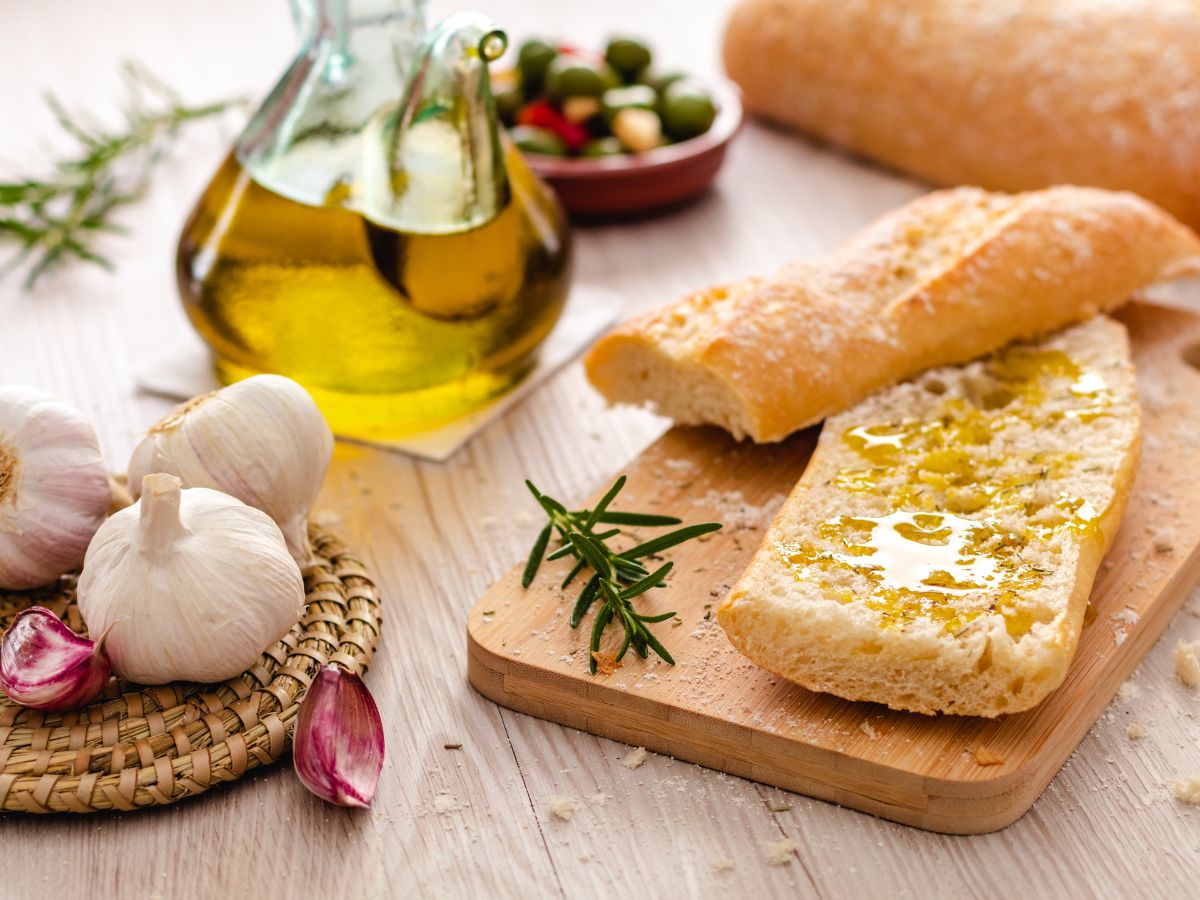
Extra virgin olive oil allows you to use oleic acid naturally in daily dishes: toast, salads, vegetables, creams, legumes, fish, white meats, or marinades.
What does oleic acid do?
Oleic acid performs several functions in the body. It provides energy, participates in the structure of cell membranes, and is part of the normal metabolism of fats.
From a nutritional point of view, its most interesting role appears when it replaces saturated fats. That change can help improve the cardiovascular profile of the diet.
It also influences the stability of oils. An oil with a high oleic acid content usually resists oxidation better than other oils with more polyunsaturated fats. This does not mean it is indestructible. All oils must be protected from light, heat, and oxygen.
What is its structure?
Oleic acid is chemically known as C18:1. This means it has 18 carbon atoms and one double bond. Its technical name is cis-9-octadecenoic acid.
That single double bond is what makes it a monounsaturated fat. This structure explains part of its behavior: it is more fluid than a saturated fat, but more stable than many polyunsaturated fatty acids.
In cooking, this stability is one of the reasons why extra virgin olive oil is so versatile.
Uses of oleic acid
Oleic acid has uses in food, cosmetics, and industry. In food, it naturally appears in vegetable oils and fatty fruits. Its most interesting use for the consumer is simple: choosing quality fats for cooking and dressing.
In cosmetics, it is found in vegetable oils and emollient products. It helps improve the texture of creams, balms, and body oils. It is also used in formulations for dry hair or skin in need of nourishment.
In the olive oil sector, oleic acid is one of the indicators that help explain the identity of olive oil. An EVOO rich in oleic acid usually has good stability and fits well in a healthy kitchen.
Which oil has the highest concentration of oleic acid?
Among common oils, olive oil has a high concentration of oleic acid, usually within an approximate range of 55% to 83%. The exact figure depends on the variety, climate, and harvest.
Some olive varieties can produce oils that are especially rich in oleic acid. There are also "high oleic" vegetable oils, such as high oleic sunflower or high oleic safflower, developed to increase their content of this monounsaturated fat.
But the choice should not be based only on the percentage. Extra virgin olive oil provides oleic acid and, in addition, valuable minor compounds such as polyphenols, vitamin E, and natural aromas.
That is why, for a Mediterranean diet, EVOO remains one of the best ways to consume oleic acid. It is not just a fat: it is a food linked to the olive tree, to Mediterranean culture, and to a healthier way of cooking.
Oleic acid matters, but the real value lies in choosing a good extra virgin olive oil and using it well every day.

Leave a comment
This site is protected by hCaptcha and the hCaptcha Privacy Policy and Terms of Service apply.