
What Is The Purpose Of Taking Olive Oil With Garlic
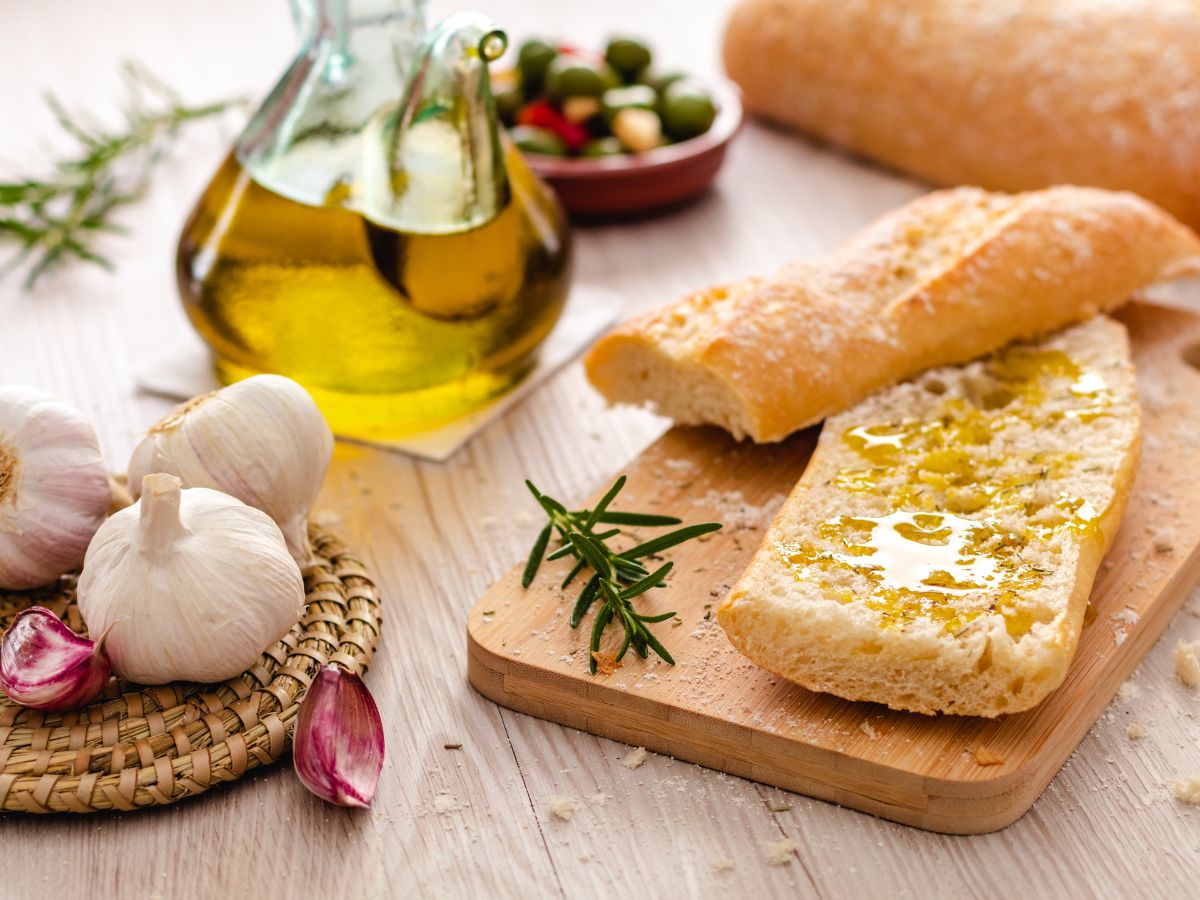
Taking olive oil with garlic is a traditional practice that is very present in Mediterranean cuisine. It is used as a dressing, as a base for toast, in marinades, with vegetables, with fish, or as a homemade preparation to add flavor to simple dishes.
But it is also often associated with health. Many people take it in the morning, add it to their daily diet, or prepare it as flavored oil. It is important to clarify something from the beginning: olive oil with garlic is not a medicine and does not cure diseases. Its interest lies in the fact that it combines two foods with valuable natural compounds within a balanced diet.
Extra virgin olive oil provides oleic acid, vitamin E, and polyphenols. Garlic contains sulfur compounds that are activated especially when it is cut, crushed, or ground. Together they form an intense, aromatic mixture that is useful both from a gastronomic and nutritional point of view.
The key is to consume it sensibly: good quality ingredients, moderate quantity, and safe storage.
Properties of garlic and olive oil
Extra virgin olive oil is the main fat in the Mediterranean diet. Its profile stands out for oleic acid, a monounsaturated fat that is more interesting than saturated fats when used to replace butter, margarines, or low-quality refined oils.
In addition, EVOO contains natural antioxidants. Among them, polyphenols stand out, which help protect blood lipids against oxidative damage when the oil contains a sufficient amount of these compounds. That is why early harvest oils, with greater flavor intensity, tend to have more nutritional interest.
Garlic, for its part, is a bulb that has been used for centuries in cooking and in popular tradition. Its flavor comes from its sulfur compounds. When garlic is crushed or chopped, substances such as allicin are formed, responsible for part of its aroma and its biological activity.
It also provides small amounts of minerals, vitamins, and antioxidant compounds. Even so, its greatest value is not in its calories or its macronutrients, but in its bioactive substances.
Extra virgin olive oil and garlic share something important: they work best as part of a healthy diet, not as an isolated remedy.
What olive oil with garlic is used for
Olive oil with garlic is mainly used to enrich the daily diet. It can help you replace less recommended sauces, reduce the use of lower quality fats, and add more flavor to vegetable dishes.
It also serves as a culinary resource to enhance recipes without needing to add excess salt. A drizzle of EVOO with garlic over roasted vegetables, legumes, salads, or whole wheat bread can turn a simple dish into a more complete and appetizing preparation.
From a nutritional point of view, this combination may be of interest for:
-
Providing monounsaturated fats.
-
Improve the fat profile of the diet.
-
Add antioxidant compounds.
-
Promote a more Mediterranean style of cooking.
-
Reduce the use of ultra-processed sauces.
-
Add flavor to healthy dishes.
It's not about consuming large quantities, but about using it as a regular and well-integrated ingredient in the diet.
Benefits of olive oil with garlic
The benefits of olive oil with garlic depend on the quality of the oil, the type of garlic, the amount consumed, and the overall diet. There's no point in taking a tablespoon of oil with garlic if the rest of your diet is based on ultra-processed foods, excessive sugar, alcohol, or low-quality fats.
When integrated into a healthy pattern, it can provide interesting advantages.
Cardiovascular health
Extra virgin olive oil is one of the foods most closely linked to cardiovascular health within the Mediterranean diet. Its oleic acid and antioxidants make it a suitable fat for cooking, dressing, and replacing less recommended fats.
Garlic has also been studied for its possible relationship with cholesterol and blood pressure. The evidence points to modest effects, especially in supplement form and in people with altered levels. In cooking, garlic can help in another way: it adds flavor and allows you to reduce salt or commercial sauces.
That's why taking olive oil with garlic can be useful as part of a diet focused on cardiovascular care. Not because it acts as a treatment, but because it makes it easier to eat in a healthier way.
A good EVOO with garlic can help improve the quality of your daily fats and displace less desirable options.
Anti-inflammatory effect
Low-grade chronic inflammation is related to poor habits, sedentary lifestyle, excess weight, stress, smoking, and diets low in fresh foods. No food by itself solves this problem, but some can contribute to a more favorable dietary pattern.
EVOO contains polyphenols with antioxidant action. Garlic contains sulfur compounds that have also been studied for their possible role in inflammatory processes.
The combination of both can fit well in a diet rich in vegetables, fruits, legumes, nuts, oily fish, and whole grains. In this context, olive oil with garlic can be a culinary tool to reinforce an anti-inflammatory diet.
It should not be seen as a quick cure. It should be seen as a daily choice that improves the overall dish.
Immune system
Garlic has traditionally been used during cold seasons and changes of season. However, it is wise to be cautious: there is no solid evidence to say that garlic “boosts the immune system” directly or that it prevents infections on its own.
What it can do is be part of a varied diet, rich in plant-based foods and essential nutrients. The immune system needs enough proteins, vitamins, minerals, rest, physical activity, and a balanced microbiota.
Extra virgin olive oil can also contribute in this context due to its antioxidant content and its role within a Mediterranean diet.
Consuming olive oil with garlic can support a healthy diet, but it does not replace rest, hydration, or a complete diet.
Digestion
Olive oil with garlic can be pleasant for digestion when consumed in moderate amounts and with food. For example, on toast, in a salad, with cooked vegetables, or in a vegetable cream.
Olive oil helps add creaminess and can provide a smoother texture to many dishes. Garlic, in small amounts, stimulates flavor and can make recipes with vegetables or legumes more appetizing.
But not everyone tolerates it the same way. Raw garlic can cause gas, heartburn, reflux, or abdominal discomfort, especially in people with sensitive digestion, irritable bowel, or gastritis.
If you feel heavy, don't force yourself. You can use cooked garlic, roasted garlic, or a smaller amount. You can also remove the inner germ of the garlic, which in some cases is stronger.
More does not mean more benefit. In digestion, personal tolerance is what matters.
What precautions should you take?
The first precaution is not to use olive oil with garlic as a medical treatment. If you have high blood pressure, high cholesterol, diabetes, digestive problems, or take medication, consult a healthcare professional before consuming garlic in concentrated or daily form.
Garlic can increase the risk of bleeding, especially if taken as supplements or in high amounts. People who use anticoagulants, antiplatelet agents, frequent aspirin, or who have a scheduled surgery should be especially careful.
You should also pay attention to storage. Fresh garlic in oil can be a risk if stored improperly. Since it is in an oxygen-free environment, it can promote the growth of dangerous bacteria if kept at room temperature for too long.
To avoid problems:
-
Prepare only a small amount.
-
Do not store fresh garlic in oil at room temperature.
-
Keep the mixture refrigerated.
-
Use clean utensils.
-
Consume it within a few days.
-
Discard the mixture if it smells strange, changes color, or raises doubts.
Food safety is just as important as the quality of the oil.
If you want a safer and more practical use, you can prepare the oil on the spot: crush a clove of garlic, mix it with EVOO, and use it directly on your dish. This way you reduce risks and better preserve the aroma.
What type of garlic should you choose?
The best garlic to mix with olive oil is fresh, firm garlic without very developed green shoots. It should have dry skin, show no mold, and retain a clean aroma.
You can choose purple garlic if you’re looking for a more intense and lingering flavor. White garlic is usually more common and versatile. Black garlic, although very different, can work in recipes where you want a sweet, balsamic, and less spicy touch.
If you are going to eat it raw, start with a small amount. Half a clove or a small clove may be enough for one serving. If you crush it and let it rest for a few minutes before mixing it with the oil, its flavor will be more pronounced.
For a balanced preparation, always use extra virgin olive oil. A good quality EVOO provides aroma, stability, and character. In such a simple mixture, the oil is very noticeable: if the oil is flat or defective, the result will be too.
Olive oil with garlic is used to add flavor, enhance everyday dishes, and bring you closer to a more Mediterranean diet. Its value is not in taking it as a miracle remedy, but in using it well.
A good EVOO, fresh garlic, and a moderate amount are enough to turn a simple preparation into a healthy and flavorful gesture.


Leave a comment
This site is protected by hCaptcha and the hCaptcha Privacy Policy and Terms of Service apply.