
Olive Pollen: What It Is and Causes
Olive pollen is one of the most relevant allergens in many Mediterranean areas. In Spain, it is especially important in areas with a large presence of olive groves, such as Andalusia, Castilla-La Mancha, Extremadura, Comunidad Valenciana, and some areas of Madrid, Murcia, or Catalonia.
During flowering, the olive tree releases small pollen particles into the air to reproduce. This natural process can become a problem for allergic people, because their immune system identifies that pollen as a threat and reacts with respiratory, ocular, and, in some cases, asthmatic symptoms.
Olive pollen is not dangerous for everyone, but it can greatly affect those with allergic sensitivity. That's why it's important to know when it appears, what symptoms it causes, and how to reduce exposure.
What is olive pollen
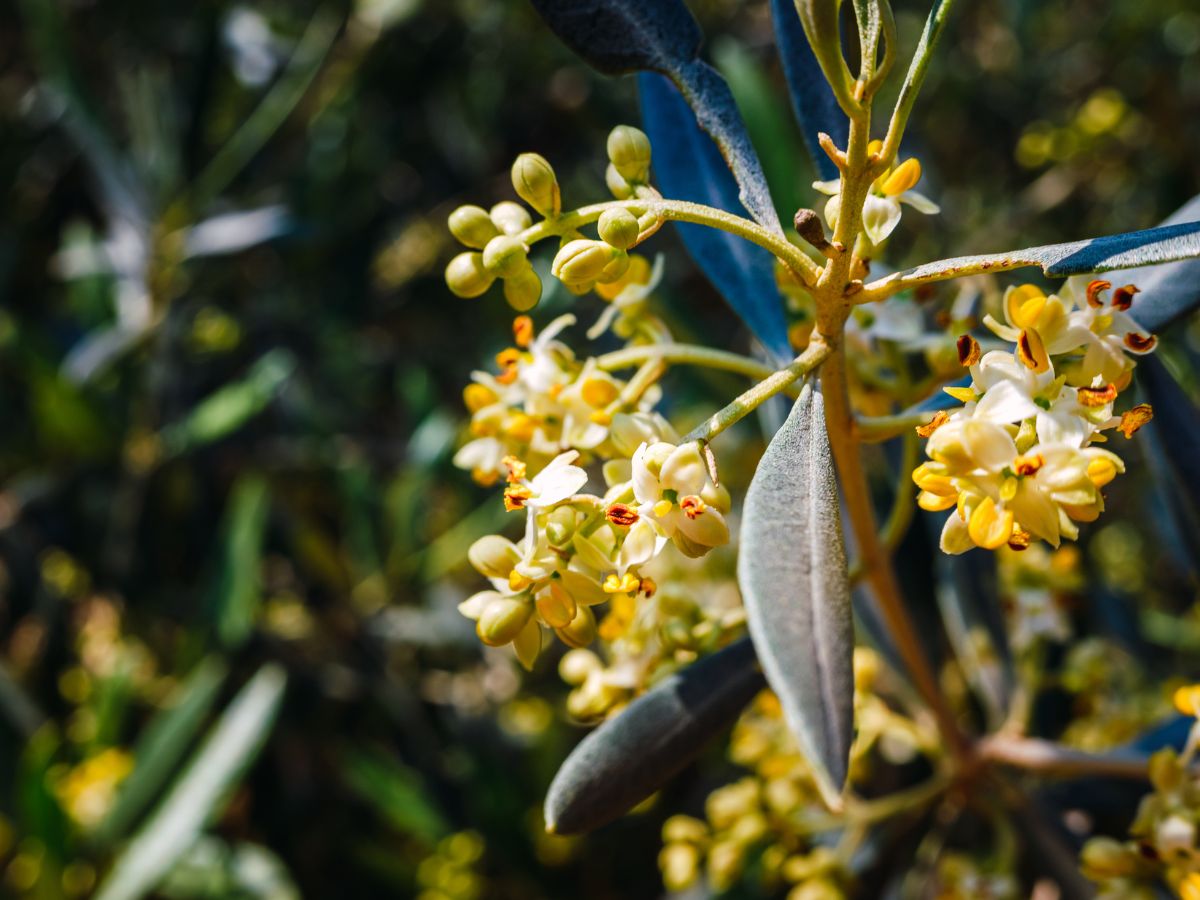
Olive pollen is the set of microscopic particles produced by the olive flower during its reproductive phase. These particles are dispersed through the air and can travel long distances, especially on dry, warm, and windy days.
The olive tree blooms in spring. The intensity of the flowering depends on factors such as the variety, the area, temperature, previous rainfall, and the state of the tree. In seasons with good flowering, the pollen concentration can be very high.
For cultivation, pollen is necessary: it allows the fertilization of flowers and the future formation of olives. For allergic people, however, it can cause rhinitis, conjunctivitis, and worsening of asthma.
The same process that allows the olive tree to produce fruit can be the source of intense discomfort in spring.
Causes of olive pollen allergy
Olive pollen allergy occurs when the immune system overreacts to proteins present in that pollen. The body interprets the allergen as if it were harmful and releases inflammatory substances, such as histamine.
This reaction causes symptoms in the nose, eyes, throat, and bronchi. It does not appear the same in everyone. Some people have mild discomfort for a few days; others suffer persistent symptoms for weeks.
Among the factors that can increase the risk are:
-
Living in areas with a high presence of olive groves.
-
Having a family history of allergy.
-
Suffering from asthma, atopic dermatitis, or other respiratory allergies.
-
Being outdoors on days with high pollen concentration.
-
Not following a preventive treatment when there is already a diagnosis.
The allergy is not caused by olive oil, but by the pollen released by the olive flower. This distinction is important to avoid confusion.
What are the symptoms?
The symptoms of olive pollen allergy are usually similar to those of other spring allergies. The intensity depends on individual sensitivity and the amount of pollen in the air.
The most common symptoms are:
-
Repeated sneezing.
-
Itchy nose.
-
Nasal congestion.
-
Watery mucus.
-
Itching, redness, or tearing of the eyes.
-
Sensation of grit in the eyes.
-
Itchy throat or palate.
-
Dry cough.
-
Tiredness due to poor sleep quality.
In people with asthma, olive pollen can worsen breathing. Chest tightness, wheezing, nighttime cough, or shortness of breath may appear. In these cases, you should not wait: if there are severe respiratory symptoms, you must consult a healthcare professional.
A useful way to differentiate between allergy and a cold is the duration. Allergies usually recur at the same time of year, rarely cause fever, and cause a lot of nasal or eye itching.
When does olive pollen affect the most?
Olive pollen mainly affects during spring. In many areas of Spain, the most relevant period usually goes from April to June, with varying peaks depending on the climate and geographic area.
In olive-growing areas, May is usually one of the most complicated months. If spring is dry, warm, and windy, the pollen disperses more easily. On the other hand, rain can temporarily reduce the amount of pollen suspended in the air, although it can later encourage new blooms or spikes.
The time of day also plays a role. In general, concentrations can be more bothersome during periods of increased atmospheric activity, wind, or dry conditions.
It's not enough to look at the calendar: you must check the actual pollen levels in each area.
How can it be treated?
The treatment of olive pollen allergy depends on the intensity of the symptoms, whether associated asthma exists, and the diagnosis made by an allergist.
It is not advisable to self-medicate continuously without knowing which allergen is causing the problem. If symptoms recur every spring, it is best to undergo an allergy study.
Medication
Medication can help control symptoms. The most common treatments include antihistamines, nasal sprays with corticosteroids, eye drops, and nasal washes with saline solution.
Antihistamines help reduce sneezing, itching, and nasal discharge. Nasal sprays with corticosteroids are usually useful when there is significant congestion. Eye drops can relieve itching, tearing, and eye redness.
In people with asthma, the doctor may adjust inhalers or preventive treatment during pollen season.
Medication works best when used properly and before symptoms get out of control. That’s why, if you already know that olive pollen affects you every year, it’s best to anticipate it.
Vaccines
Allergy vaccines, also called immunotherapy, aim to help the immune system better tolerate the allergen. They are not an immediate remedy, but can be useful for people with persistent or poorly controlled symptoms.
Immunotherapy can be administered by injections or sublingual preparations, depending on the case. It should be prescribed by a specialist after confirming the allergy with specific tests.
Not everyone needs a vaccine. It is usually considered when the allergy affects quality of life, when medication does not control symptoms well, or when there is a risk of respiratory worsening.
The vaccine is not decided by intuition: it requires diagnosis, follow-up, and time.
Prevention
Prevention consists of reducing contact with pollen. It cannot always be avoided, but it can be limited.
Preventive measures are especially important on dry, windy days with high levels. They also help reduce the amount of medication needed and improve nighttime rest.
Guide to reducing exposure to olive pollen
1. Check pollen levels daily
Check pollen levels before planning outdoor activities. Not every spring day is the same. There may be days of low concentration and others with very high levels.
Consult updated sources and, if you have strong symptoms, note how you feel each day. This helps relate discomfort to actual pollen levels.
2. Keep windows closed at home and in the car
During days of high concentration, keep windows closed, especially during peak exposure hours. In the car, use the ventilation system with proper filters and avoid driving with the windows down.
At home, ventilate briefly and preferably when levels are lower.
3. Wear sunglasses outdoors
Sunglasses reduce direct contact of pollen with the eyes. They are useful if you have itching, tearing, or allergic conjunctivitis.
If eye symptoms are intense, it is also advisable to avoid touching your eyes with your hands and to wash them when you get home.
4. Avoid outdoor activities on dry days
Dry, warm, and windy days are usually worse for people with allergies. If you can, avoid running, cycling, walking through olive groves, or playing sports outdoors in those conditions.
After rain, the air is usually cleaner, although this effect may be temporary.
5. Change clothes and shower when you get home
Pollen sticks to hair, skin, and clothing. When you return from outside, change your outer clothing and shower if you have spent a lot of time outdoors.
This measure helps prevent bringing pollen into the bedroom, onto the sofa, or onto the bedding.
6. Wash bedding frequently
During allergy season, wash sheets and covers more frequently. Avoid hanging clothes outside on high pollen days, because they can become impregnated with particles.
It also helps to vacuum with a HEPA filter and clean dust with a damp cloth.
Where to check current levels?
To check current olive pollen levels, you can use specialized sources for aerobiological information and forecasts by province.
One of the main references in Spain is the Red Española de Aerobiología, which offers information about types of pollen, maps, and forecasts. You can also check meteorological portals with specific pollen sections, such as provincial maps and updated forecasts.
In some autonomous communities, universities, hospitals, or regional services publish their own data during the spring. This is useful in areas with a high presence of olive groves, where levels can change a lot from one locality to another.
If you are allergic to olive pollen, checking the levels is not just a detail: it is a practical tool for organizing your day.
The goal is not to live obsessed with pollen, but to anticipate it. With diagnosis, prevention, and proper treatment, olive pollen allergy can be better controlled and have less impact on your rest, your work, and your daily life.


Leave a comment
This site is protected by hCaptcha and the hCaptcha Privacy Policy and Terms of Service apply.